The build-up of detergent, limescale and mould can affect the performance of your washing machine and cause unpleasant odours.
Over time, detergents, fabric softeners, lint, limescale and mould can build up in the washing machine drum, filters and hoses. If not cleaned, these residues can affect the quality of the wash and cause the washing machine to work harder to achieve the same results, which increases energy and water consumption. Therefore, to use the washing machine efficiently, regular cleaning is very important, but many people do not know how to do this without damaging the appliance.
On the other hand, cleaning prevents the unpleasant odours typical of some washing machines. The residual moisture that remains inside the washing machine after each cycle, combined with detergent and dirt residues, can lead to mould and bacteria. This can cause unpleasant odours both inside the washing machine and on the washed clothes. Keeping it clean prevents this problem. The trick to cleaning it boils down to using the right products to remove accumulated residue. The combination of white cleaning vinegar and bicarbonate of soda is one of the most effective and economical home remedies for cleaning the inside of the washing machine, removing bacteria and soap and limescale residue.
How to clean your washing machine effectively and easily
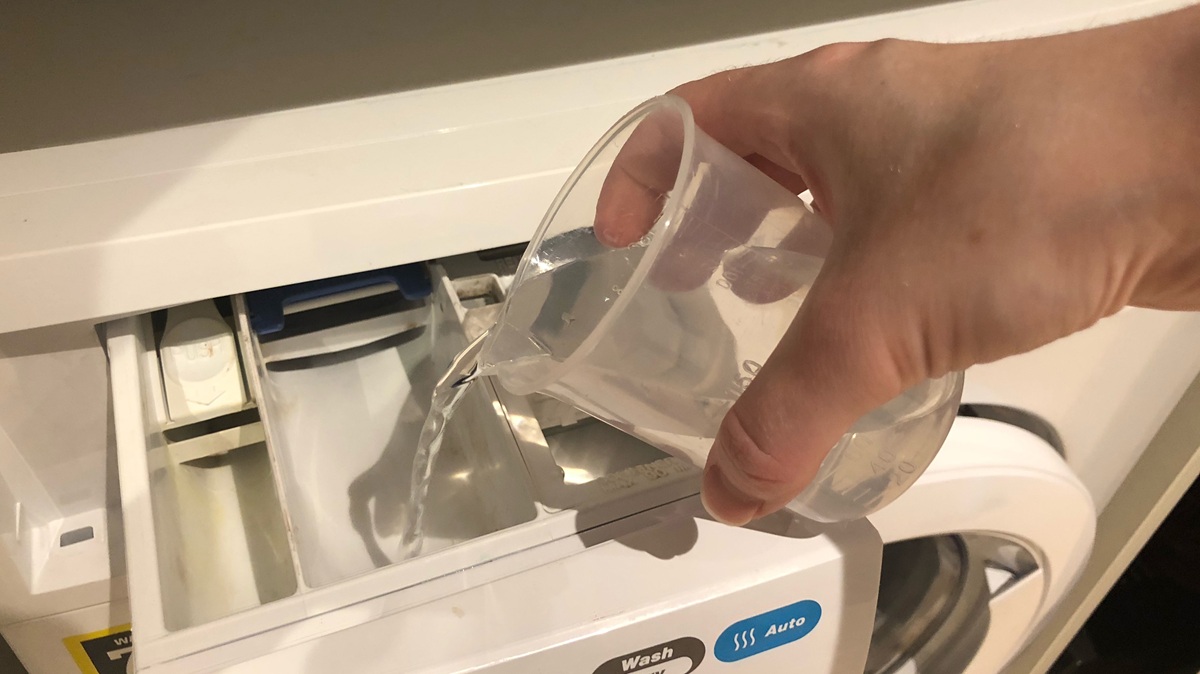
A mixture of white vinegar and bicarbonate of soda is the most effective home remedy for cleaning and disinfecting a washing machine, while also caring for the appliance. To clean your washing machine, pour half a cup of white vinegar into the detergent compartment and run a short wash cycle at 30 degrees or higher. This will disinfect the interior and eliminate unpleasant odours as a first step.
Next, the washing machine filter also requires maintenance, so it must be cleaned. It is usually located at the bottom of the washing machine. Remove any excess dirt and soak it for 15 minutes in water, soap and vinegar.
On the other hand, the washing machine seal accumulates a lot of moisture, which encourages the growth of mould. To eliminate this, it is recommended to wipe the entire surface and all corners of the rubber seal with a cloth and bleach. And the detergent dispenser is one of the most overlooked parts, so once the whole process is complete, soak it in hot water with bicarbonate of soda and white vinegar for 30 minutes.