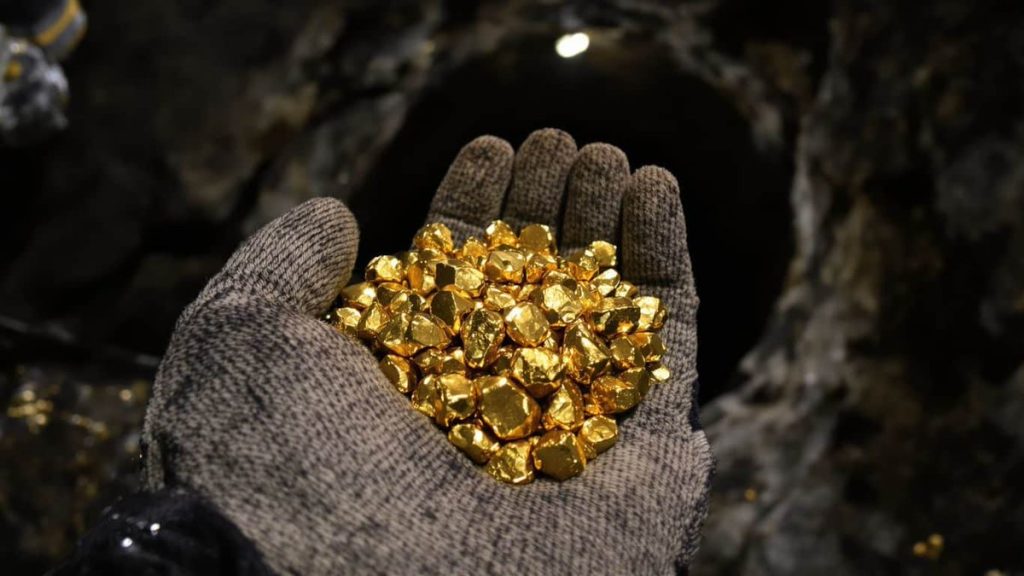
A group of archaeologists has discovered a hidden treasure trove of priceless Celtic gold coins, according to an announcement by the Museum and Gallery of Northern Pilsen (MGSP). The great discovery of the treasure took place in the Pilsen region, a very picturesque part of the Czech Republic, full of medieval towns and castles that look like something out of a fairy tale.
Discovery of the century: what archaeologists found in a field in the Czech Republic
The treasure found consists mainly of 500 gold and silver coins. The money dates from the 6th and 1st centuries BC. In addition, the treasure contained a horse and gold brooches, according to spokespeople for the Czech museum. Researchers from the Archaeological Institute of the Czech Academy of Sciences have indicated that this discovery is one of the most important in recent years and is currently being analysed with an isotope test to determine whether the gold was from the region or imported from further afield. However, archaeologists explained that the coins were either lost in commercial transactions or deliberately left as offerings in rituals of the time.
Gold discovery: how were the ingots and coins found?
Although the discovery was announced on 3 October, the story of this treasure’s discovery began in 2021, when an amateur archaeologist discovered a fragment of a coin from the 2nd century BC. The researcher found it using a metal detector. The problem with extraction is that it must be continued whenever the harvests are over and before the field is ploughed again, as it is located in a sown field.
The treasure unearthed in the Czech Republic
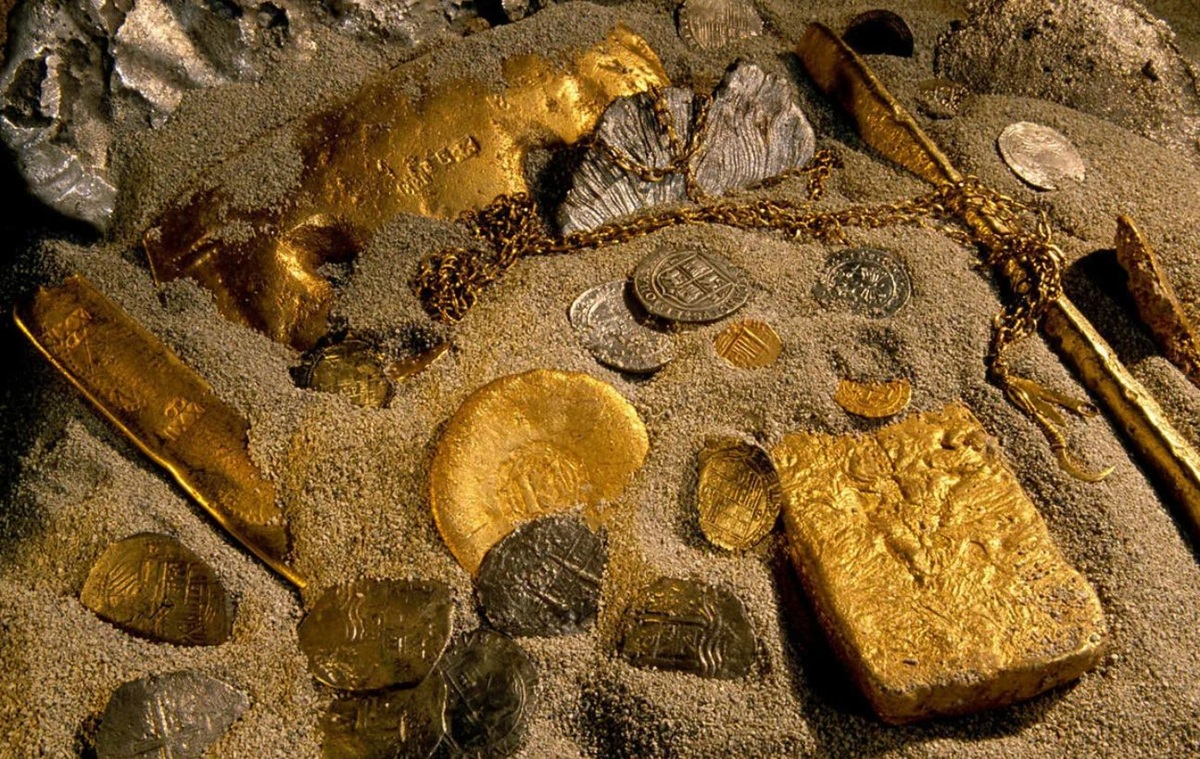
According to Pavel Kodera, director of the Museum and Gallery of the Northern Pilsen Region in Mariánská Týnice, ‘the site contains a large number of metal objects, mainly small, very interesting artefacts, mostly coins, but not only coins’. He also pointed out that the treasure trove contained ‘gold ingots, chopped pieces, even flakes and pieces of raw gold, along with earrings, fragments of bracelets and similar items’.
According to the details, the coins measure between 7 mm and 1.5 cm and have ‘impressive designs.’ The pieces feature designs of horses, boars, suns, and gods belonging to Celtic culture. Other coins have designs of Hellenistic coins and other portraits of Greeks. “The images are essentially works of art. They address Celtic mythology and thought, offering a glimpse into the mindset of the people who lived here,” said Kodera. The group of archaeologists and researchers pointed out that the site where the gold coins were found may have been a seasonal meeting place for commercial transactions, rituals, or both.